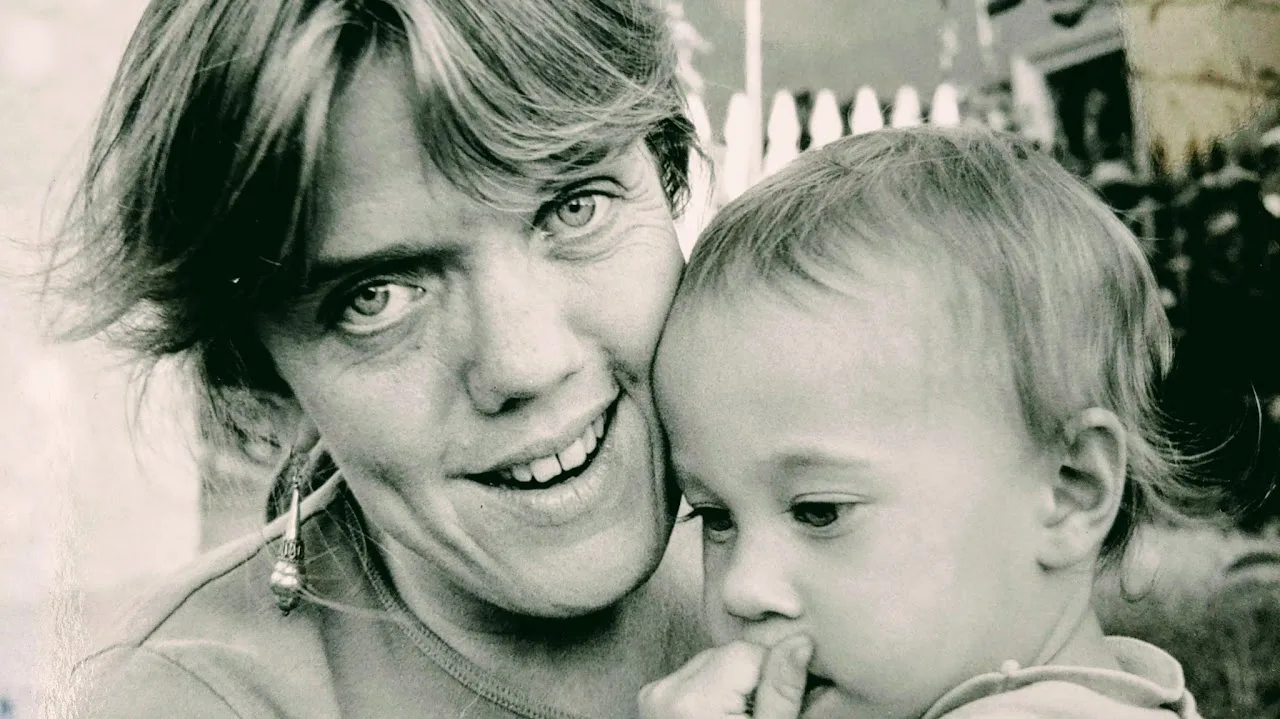
Many years ago, my daughter Lily was given the assignment to write about her cultural identity for her college sociology class. To quote her directly: — Meg
I am an able-bodied, motivated, compassionate woman. This identity encompasses both the physical aspect of myself as well as inner aspects of my cultural identity. I define culture as behaviors, values and beliefs, that are all influenced by race, enthnicity, gender, socioeconomic status and ability. One aspect of my life that shaped both the internal and external features of my cultural identity, is being an able-bodied and average-size daughter of two parents with dwarfism. I realized from an early age that my parents were different from most parents of friends' my age. Anytime the three of us were out in public, whether it was going to a cafe, or even taking a walk around my neighborhood, children and adults alike would stare, point and even laugh at my parents because they looked different. In the grocery store a child might say, “they look funny” or “what are they?” and my parents would calmly explain that their bones didn't grow as much as most peoples,' they were different and that was okay. Parents of these curious children would look abashed and apologize uncomfortably for their child's behavior. From this young age I learned the importance of being respectful towards others who appear different and the extent to which not being respectful can impact an individual. I also developed a great compassion for my parents and others who experienced any sort of oppression.
Bring Meg's voice to your school or team.
Speaking engagements, coaching, and curriculum on disability awareness.