Ableism and the Beauty Industry
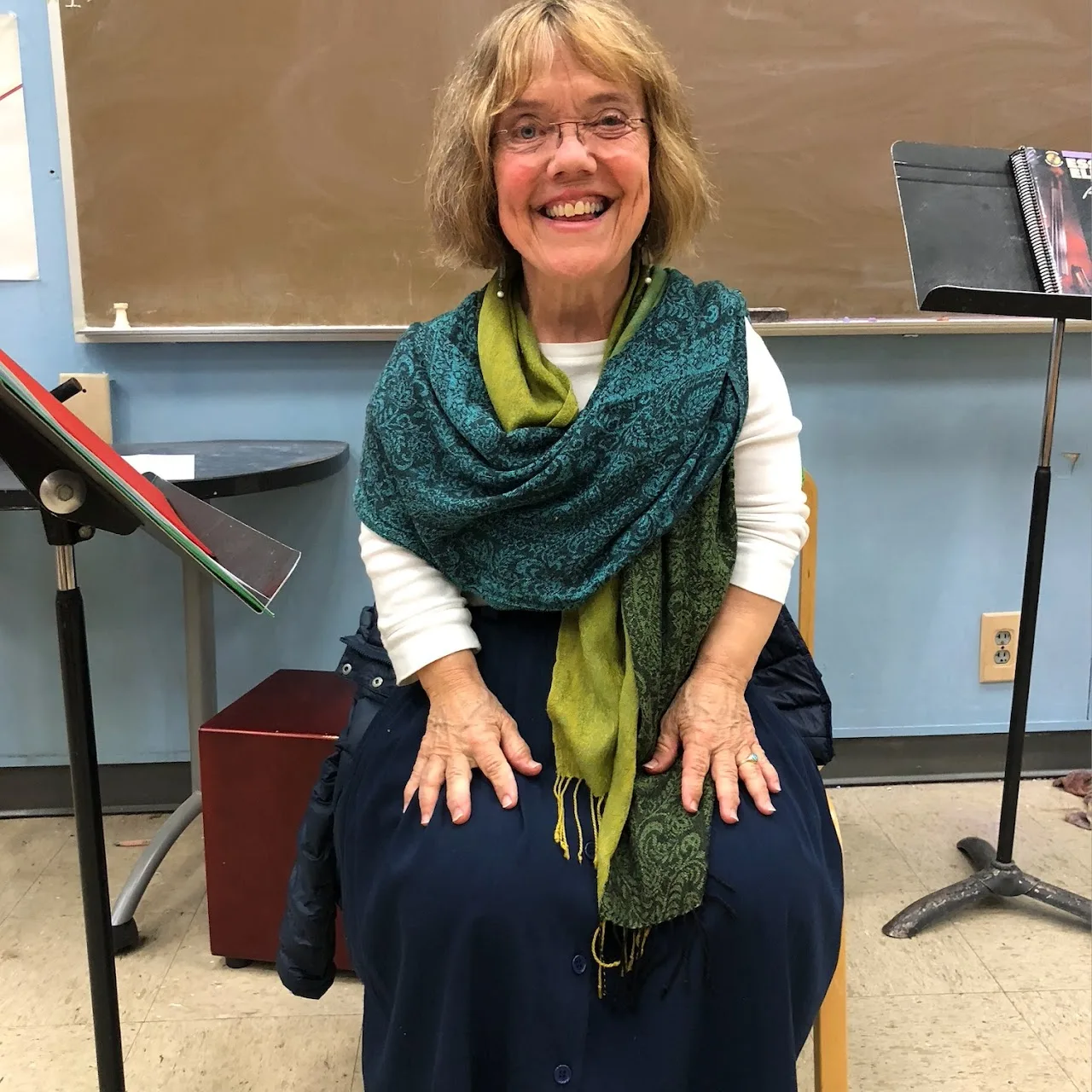
When I lived in California I felt the oppressive weight of society's obsession with youth and appearance—from expensive treatments to strict beauty standards.
Moving to Portland brought a sense of solace, seeing people embrace aging naturally and gracefully. Yet, like many, I still catch myself wishing for fewer wrinkles and brighter teeth. Today I see how much I’ve aged, especially after navigating two major surgeries in recent years.
Society’s preoccupation with looking young, along with the beauty and diet industries, is deeply rooted in ableism. Advocate Talila A. Lewis defines ableism as "a system of assigning value to people's bodies and minds based on societally constructed ideas of normalcy, productivity, desirability, intelligence, excellence, and fitness." This system determines human value based on appearance, age, health, and ability.
As a person with dwarfism, I cannot change my stature, my short limbs, or my features to fit traditional beauty standards. Seeing Sinead Burke, who shares my type of dwarfism, featured in British Vogue was a powerful moment—it was the first time I saw a woman with a body like mine celebrated as beautiful and glamorous.
While physical fitness and health are important as we age, spending vast resources to chase an idealized appearance stems from this same systemic vanity and ableism. Reflecting on my upbringing in the 1960s, my mother—loving and protective—focused heavily on my appearance and tailored clothing, a standard not applied to my brothers in a society that valued men for their minds and women for their bodies.
Though times have changed, the beauty and diet industries continue to profit off our collective insecurities. I want to challenge us all to embrace our natural beauty—one expressed through inner character, life experiences, aging gracefully, and the complete acceptance of our unique selves.
Bring Meg's voice to your school or team.
Speaking engagements, coaching, and curriculum on disability awareness.